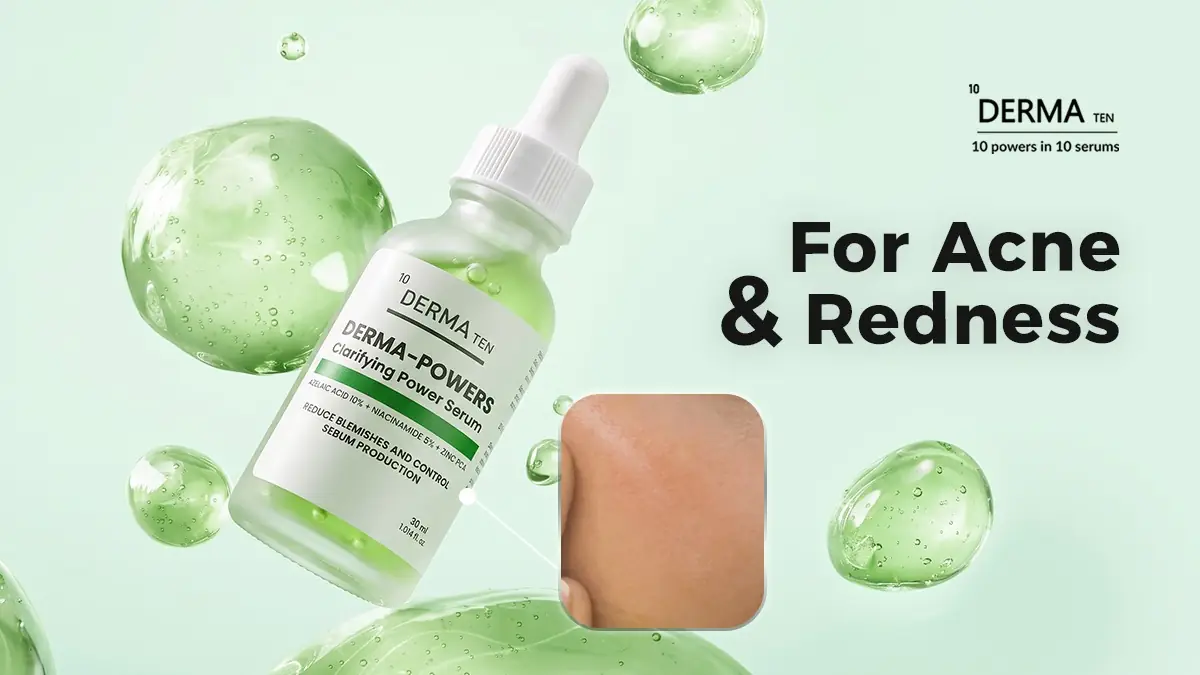
If you get inflamed breakouts that leave red or brown marks behind, an azelaic acid serum might be the missing step in your routine. It is one of the few ingredients that targets acne, redness and pigmentation at the same time, while staying relatively gentle. Here is how it works, how to use it and when to expect results.
What is azelaic acid?
Azelaic acid is a naturally occurring acid produced by a yeast that already lives on the skin. According to DermNet, dermatologists use it for mild to moderate acne, papulopustular rosacea and the dark marks acne leaves behind.
Benefits of an azelaic acid serum
- Antibacterial: reduces acne-related bacteria inside the pores.
- Anti-inflammatory: calms redness and inflamed spots.
- Improves the look of pores: normalizes cell turnover inside the follicle, which helps with blackheads and whiteheads.
- Brightens marks: reduces the activity of tyrosinase, the enzyme behind melanin, so brown acne marks fade.
In addition, DermNet notes that it does not cause sun sensitivity, does not lead to antibiotic resistance and does not bleach normal skin.
Who needs an azelaic acid serum?
- Anyone with red, inflamed breakouts.
- Anyone with red or brown acne marks.
- Anyone with persistent redness on the cheeks and nose.
- Anyone with sensitive skin who cannot tolerate strong actives such as retinoids.
How to use it
- Cleanse with a gentle cleanser and pat dry.
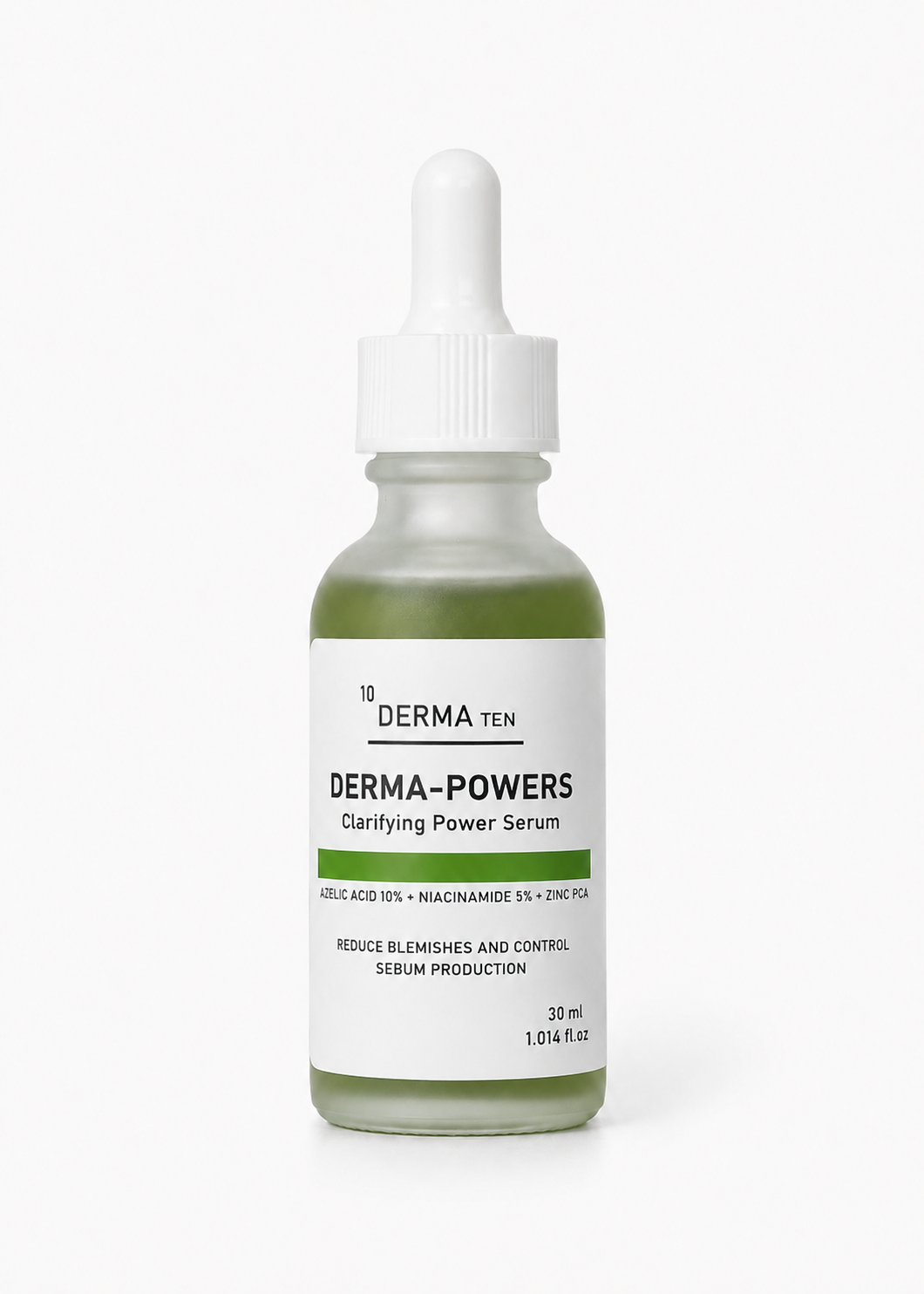
- Apply 2 to 3 drops of Clarifying Power Serum (Azelaic Acid 10%) to the whole face, not just the spot.
- After a minute, apply moisturizer.
- In the morning, finish with sunscreen.
Start once a day, and if your skin is comfortable you can go to twice daily. A mild tingle or warmth in the first days is common and usually fades. However, if you get strong redness, burning or obvious peeling, stop and see a doctor.
When will you see results?
According to DermNet, most people notice improvement in acne after about four weeks. Redness and pigmentation may take up to 12 weeks. Therefore, consistency is everything.
Pairing azelaic acid with other serums
Azelaic acid is one of the easiest actives to combine:
- With salicylic acid: for oily skin with blackheads and bumps. Alternate nights, as in the Oily Skin bundle.
- With centella: for inflamed acne on sensitive skin, as in the Calm & Clear bundle.
- With vitamin C: vitamin C in the morning, azelaic acid at night for acne marks. Read more about vitamin C serum.
With retinol or glycolic acid, alternate nights at first to avoid irritation.
Azelaic acid and pregnancy
Many doctors consider azelaic acid a suitable option during pregnancy and breastfeeding in most cases, instead of retinoids. Still, check with your doctor before adding any new product during this time.
Mistakes that waste results
- Applying it only on the spot instead of the whole area.
- Stopping after two weeks because you see no change.
- Layering several strong actives on the same night.
- Skipping sunscreen, which makes acne marks darker instead of lighter.
FAQs
Does azelaic acid dry the skin?
Does it reduce oil?
Morning or night?
Is it good for rosacea?
I have asthma. Can I use it?
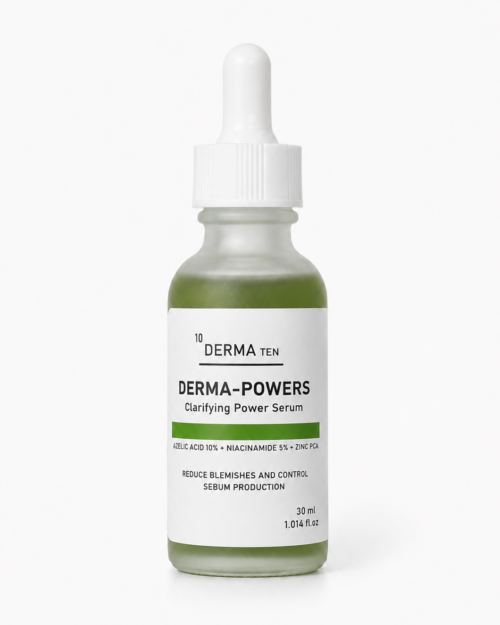 Clarifying power serum azelic acid 10% Original price was: 330 EGP.200 EGPCurrent price is: 200 EGP.Shop now
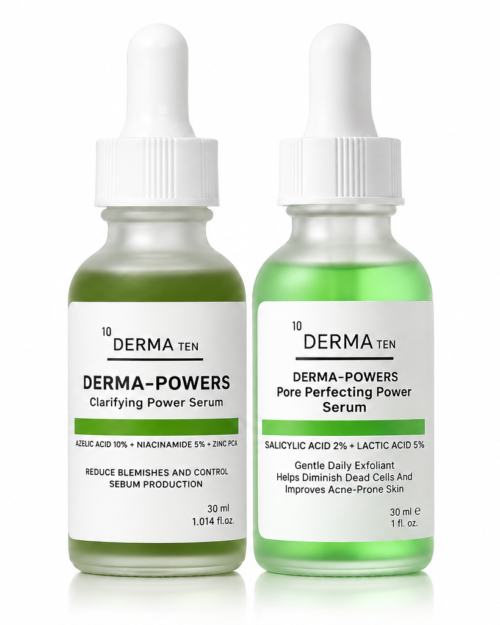 Oily skin(clarifying Power+pore perfecting) Original price was: 660 EGP.400 EGPCurrent price is: 400 EGP.Shop now
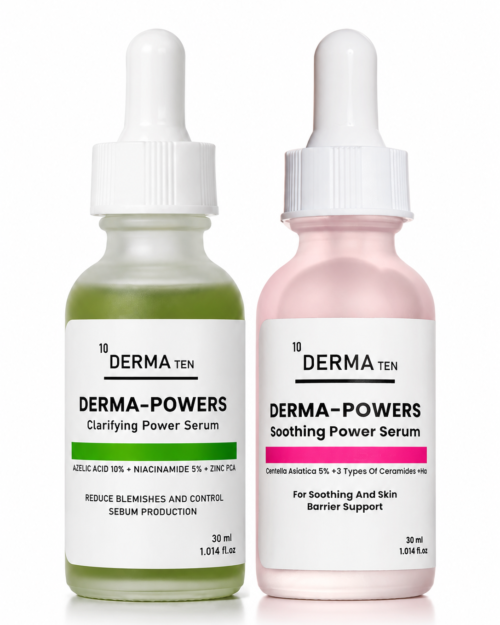 Calm&Clear(Clarifying+Soothing) Original price was: 660 EGP.400 EGPCurrent price is: 400 EGP.Shop now
The bottom line
An azelaic acid serum is a smart choice if you deal with breakouts, redness and marks at the same time. It is gentle, easy to combine and delivers results with consistency and daily sunscreen.
This article is for information only and does not replace advice from a dermatologist.