A vitamin C serum is one of the most popular steps in any routine, and for good reason. Vitamin C is a strong antioxidant, supports collagen and helps fade dark spots. Still, many questions come up. Which strength should you pick? Morning or night? How should you start? This guide answers all of them in a practical way.
Benefits of a vitamin C serum
According to a review in the Journal of Clinical and Aesthetic Dermatology, topical vitamin C has four main benefits:
- Antioxidant protection against damage from sun and pollution.
- Collagen support, which helps skin stay firm and smooth over time.
- Brightening, because it reduces melanin formation, so spots fade gradually.
- Teamwork with vitamin E, since the two strengthen each other's antioxidant effect.
As a result, most people notice brighter skin and a more even tone.
Which vitamin C strength is right?
The same review notes that effective concentrations usually sit between 10% and 20%, and that going above 20% does not add benefit and may cause irritation. That is why Super Glowing Power Serum (Vitamin C 20% + HA) is formulated at the top effective strength, for faster glow and brightening.
If this is your first vitamin C or your skin is sensitive, you do not need a lower strength. Simply start gradually, as explained below.
The form of vitamin C matters too
Pure vitamin C (L-ascorbic acid) is potent, but it oxidizes quickly and can irritate. That is why more stable, gentler derivatives exist.
Derma10 Super Glowing uses sodium ascorbyl phosphate at 20%, a stable form that is relatively gentle on skin. In addition, the formula includes:
- Hyaluronic acid for hydration.
- Tranexamic acid to support brightening.
- Vitamin E and sodium ferulate as supporting antioxidants.
- Panthenol and allantoin to soothe.
How to use a vitamin C serum
- Cleanse in the morning with a gentle cleanser.
- Apply 3 to 4 drops to face and neck.
- Wait a minute for it to absorb.
- Apply a light moisturizer.
- Finish with sunscreen — the most important step.
Morning is the best time, because vitamin C boosts your sunscreen's protection against oxidative damage. It is suitable for daily use, but start twice a week and increase gradually according to your skin's tolerance until you reach daily use.
Pairings that boost results
- For pigmentation: vitamin C in the morning plus alpha arbutin at night. That is exactly the Glow & Bright bundle.
- For glow and firmness: vitamin C plus peptides, as in the Glass Skin bundle.
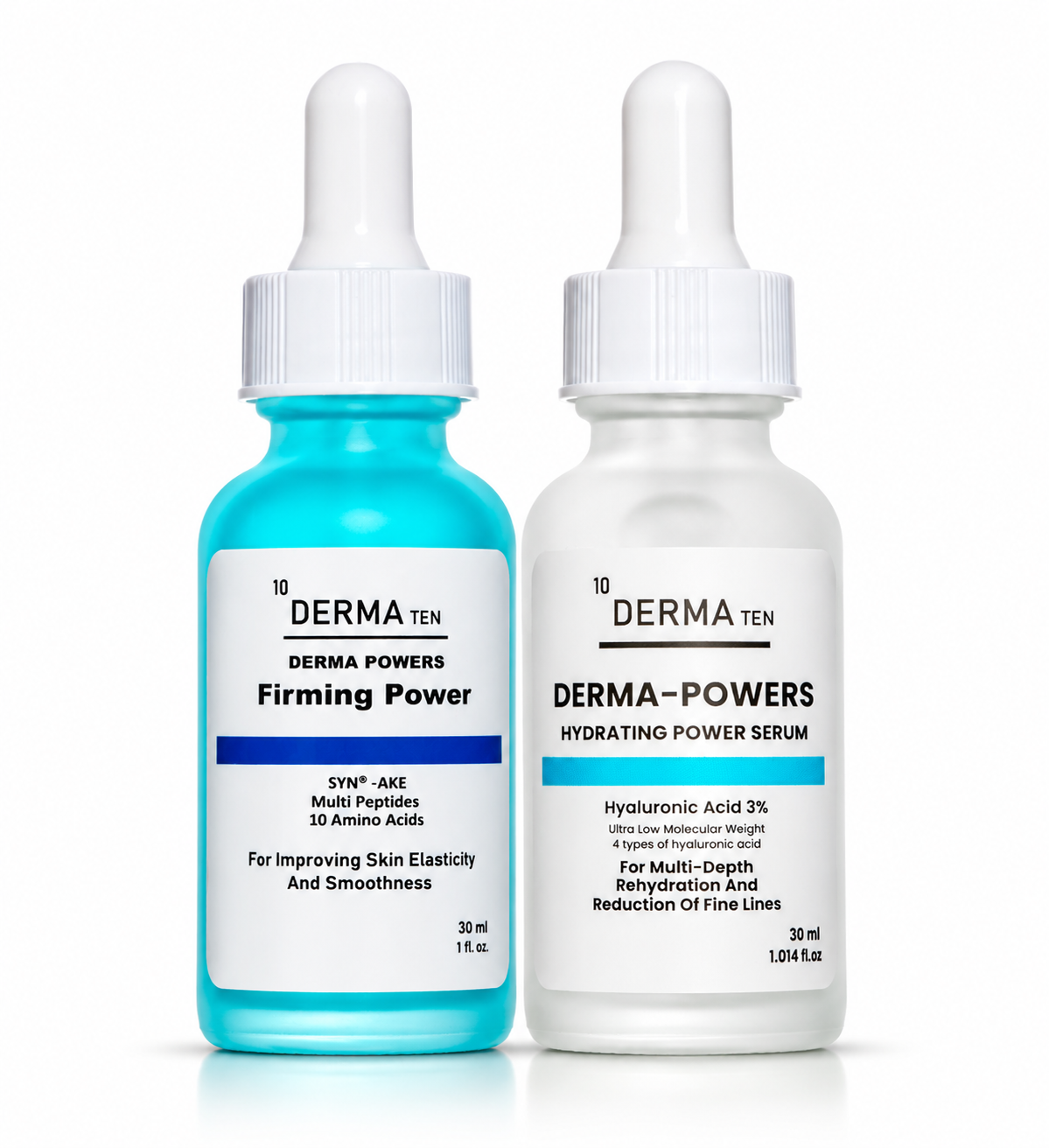
- For hydration: vitamin C followed by Hydra Power Serum in winter.
Retinol and exfoliating acids are best kept for the night, away from vitamin C. Read more in retinol vs retinal.
Common mistakes
- Skipping sunscreen: pigmentation comes back no matter what you use.
- Storing it in the bathroom or sun: heat and light weaken it. Keep it cool and tightly closed.
- Using too much: it will not speed up results and may irritate.
- Giving up too early: glow shows within weeks, but pigmentation needs around 8 to 12 weeks.
Who needs a vitamin C serum?
- Anyone with dull skin or uneven tone.
- Anyone with brown acne marks or sun spots.
- Anyone who spends time outdoors and wants extra protection alongside sunscreen.
- Anyone starting an anti-aging routine.
FAQs
Can I use vitamin C serum at night?
Does vitamin C change my natural skin tone?
Is it suitable for oily skin?
My serum changed color. Should I use it?
Can I use it during pregnancy?
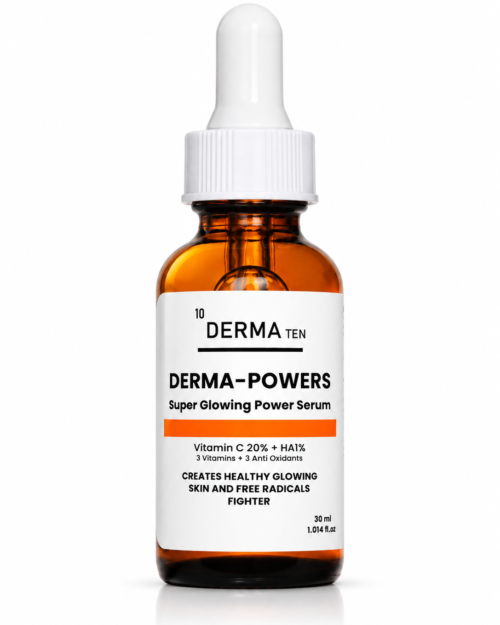 Super Glowing Power Serum vitamin C 20%+HA Original price was: 330 EGP.200 EGPCurrent price is: 200 EGP.Shop now
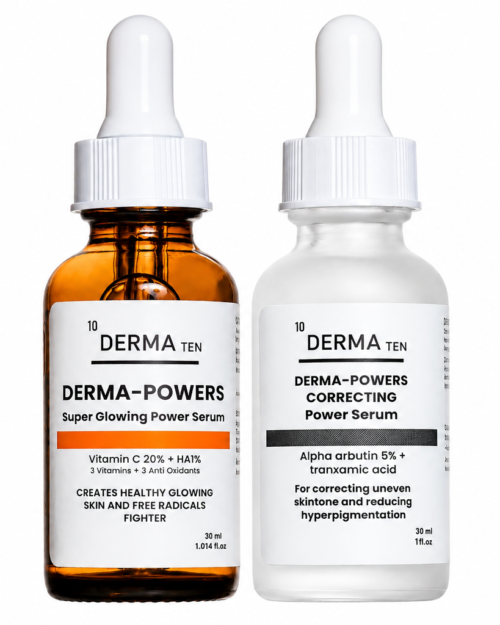 Glow& Bright (Correcting+Super Glowing) Original price was: 660 EGP.400 EGPCurrent price is: 400 EGP.Shop now
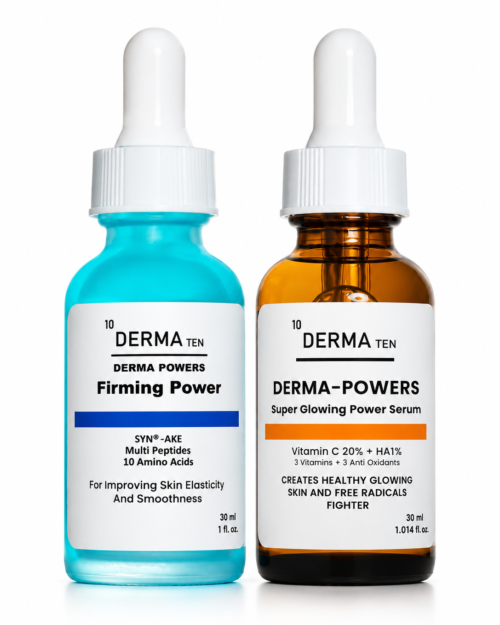 Glass Skin (Super Glowing+Firming) Original price was: 660 EGP.400 EGPCurrent price is: 400 EGP.Shop now
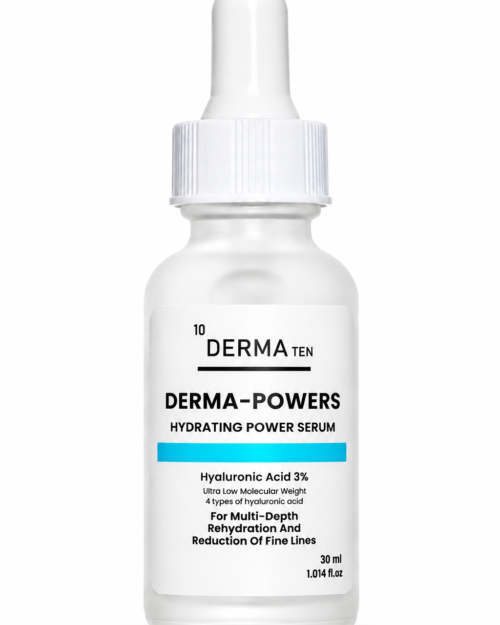 Hydrating power serum Hyaluronic acid 3% Original price was: 330 EGP.200 EGPCurrent price is: 200 EGP.Shop now
The bottom line
A vitamin C serum is a simple investment in brighter, better-protected skin. Start twice a week, build up gradually to daily use, and never skip morning sunscreen.
This article is for information only and does not replace advice from a dermatologist.